Run n Gun is a two-gun biathlon where competitors carry a rifle, pistol, ammo, and sustainment over a multi-mile outdoor course, stopping at several shooting stages along the way.
Do i actually have to run?
Despite the name, no. Most competitors adopt a casual jog and walk the uphills. You’ll find elite shooters who walk the whole course, and fast runners with plenty of room to grow on the trigger. Arriving gassed and trying to shoot accurately is a losing battle. Compete at whatever pace is honest for your current fitness.
HOW does scoring work?
Scoring is typically split evenly: 50% run time, 50% shooting performance. Here’s how it plays out on course — your run clock starts when you leave the start line and pauses when you arrive at a stage. You may get a short break to wait for competitors in front of you to finish. Competitors are scored separately on run times and stage times, then they’re factored together for overall placement.
Once the stage is clear, you’ve read the course of fire, and the RO beeps you in, your shooting clock starts. Shooting is timed with no limit on number of shots — the clock stops when you finish the stage.
WHAT happens if i can't finish a stage?
Stages typically have a time limit around 3 minutes. Hit the limit and you receive the worst possible score for that stage — but you keep moving. A bad stage isn’t the end of your race. Strong run times and solid performances elsewhere can still put you in a competitive position. If you DNF a stage, treat it as useful data on where to focus your training.
WHAT RIFLE DO I NEED?
The AR-15 is the most common platform, but there is a time and place for bolt guns, AKs, lever actions and other fun stuff. Each event will have its own guidelines. Caliber will usually be .223/5.56, but could be up to .308/7.62 depending on the event and division. It never hurts to ask if your non-standard gun or caliber is allowed. As for optics — a 1-6x or 1-8x LPVO is the most common setup, not just for handling bullet drop at distance, but for locating targets hidden in shadows or treelines. At my first event, I faced a couple targets that made my 1-6 feel weak.
Luke Johnson, a top RnG competitor, uses 3-18x magnification like it’s no big deal. I’ve also seen people with ACOGs and red dot + magnifier, but that’s a less competitive setup. If you already own an optic, use it. No need to buy a high-end scope for your first event.
Centerfire Rifles
Some links here are affiliate links — if you buy through one, we get a cut at no extra cost to you. We'd recommend the same gear either way.
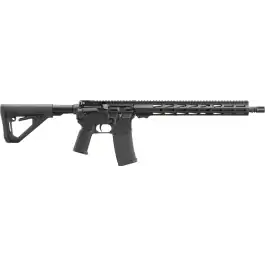
Ruger Harrier 5.56 Magpul
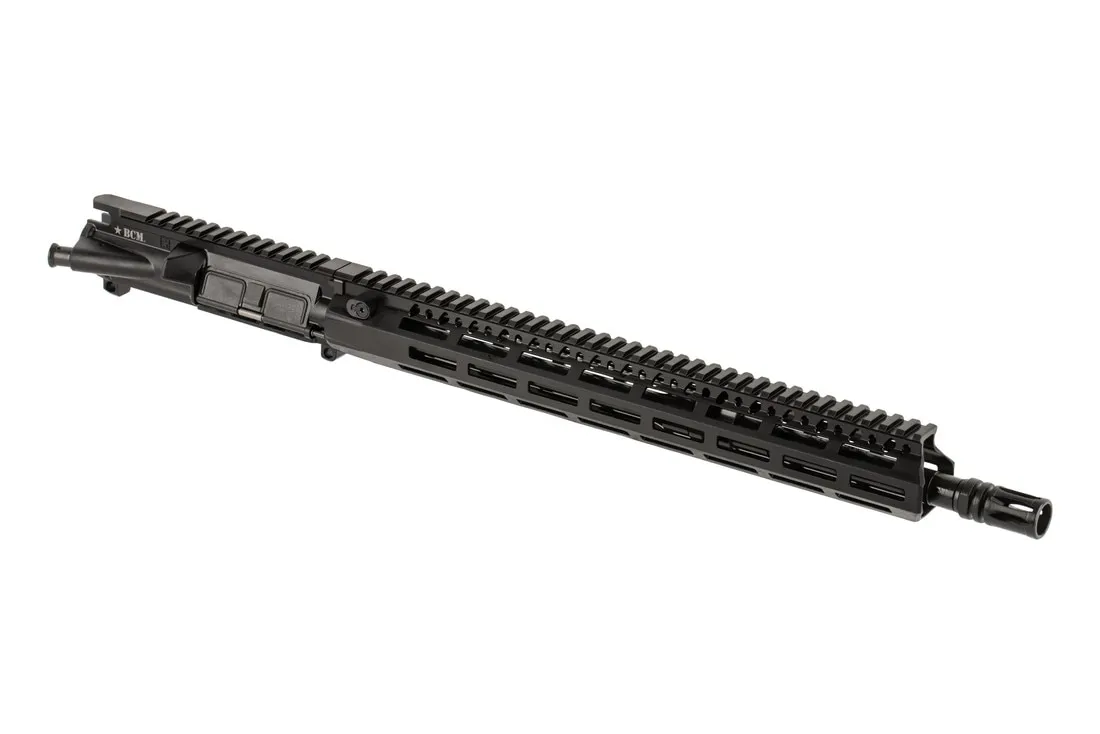
Bravo Company Mfg (BCM) Standard 16″ Upper w/ MCMR 15
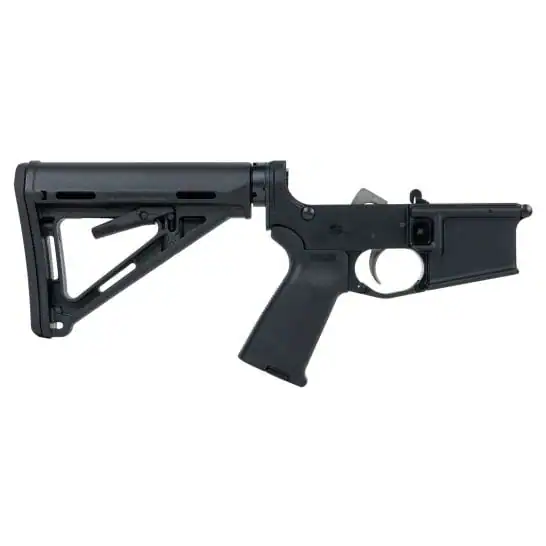
PSA MOE EPT Lower (Black)
does my rifle need to be “match-grade”?
No. Reliability matters far more than precision. A rifle that runs 100% in dirt, mud, and heat is worth more than a finely tuned gun that chokes under field conditions. The real difficulty in these matches isn’t your rifle’s accuracy — it’s shooting from awkward positions while physically exhausted. A 2 MOA gun that never malfunctions will serve you better than a sub-MOA gun that doesn’t.
what pistol do i need?
Polymer striker-fired pistols like Glocks, M&Ps, and similar platforms are common. Staccato if you’re one of the cool kids. Caliber falls between 9mm and .45.
9mm polymer PISTOLS
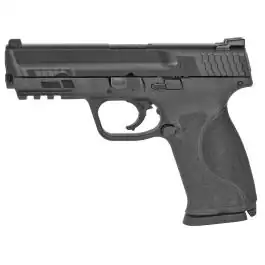
Smith & Wesson M&P9 M2.0 4.25″ 9mm
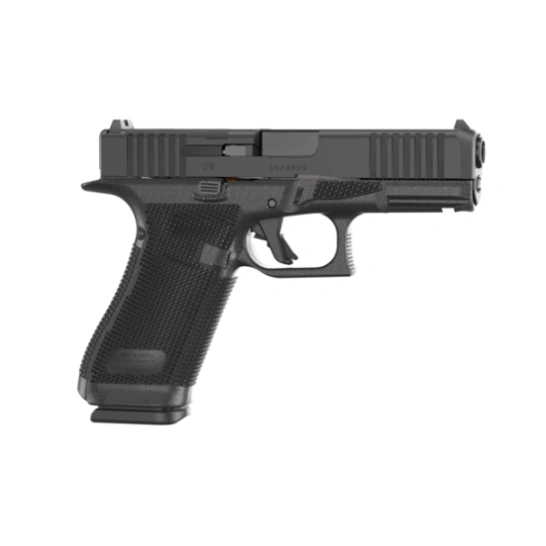
Glock G45 Gen 6 9mm
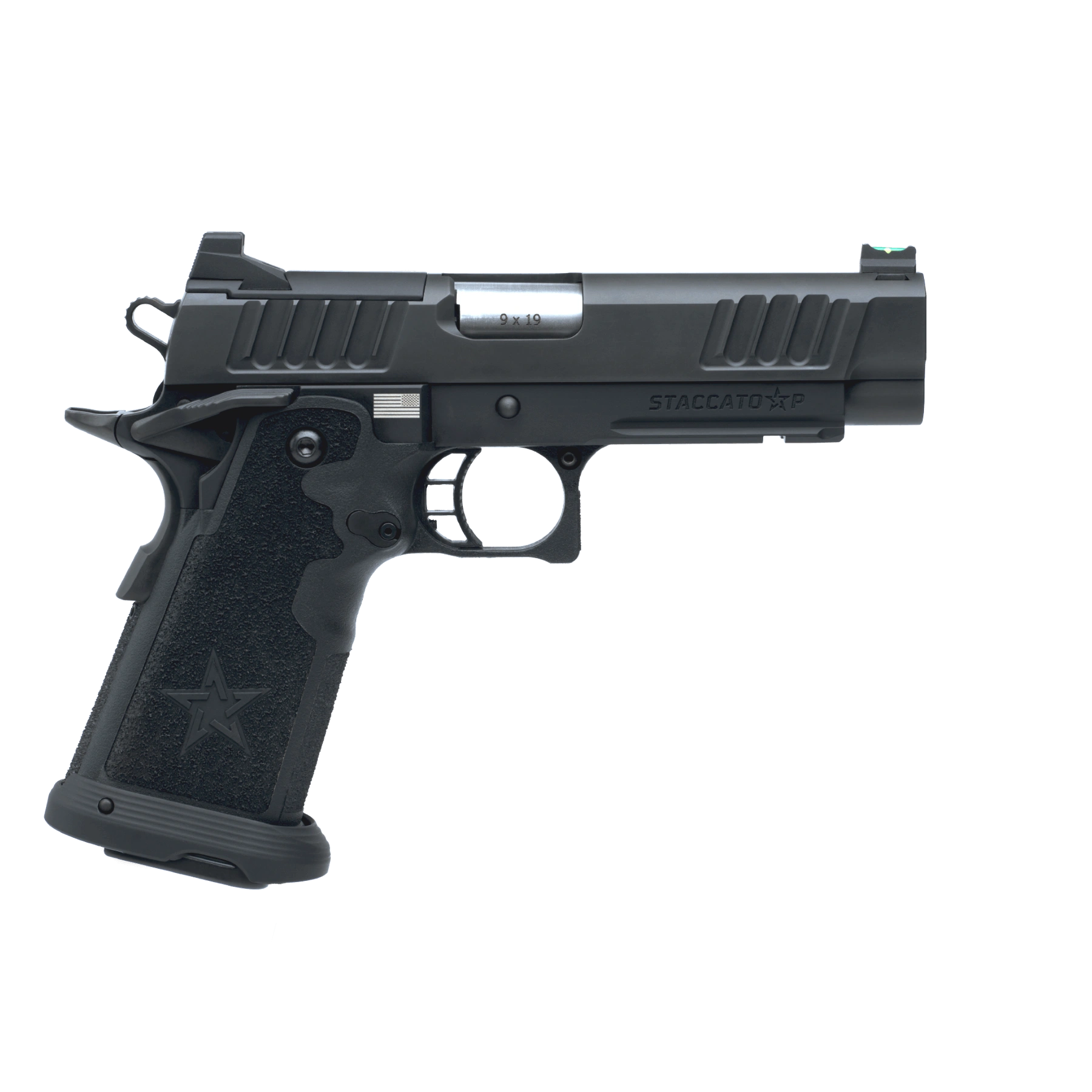
Staccato 2011 P 9mm
what holster is required?
A hard, active retention holster is required. This means a holster that requires a button press or hood removal for the pistol to be freed. This keeps your pistol secure over obstacles while you’re running. This is a firm safety requirement across virtually all Run n Gun events.
active retention holsters
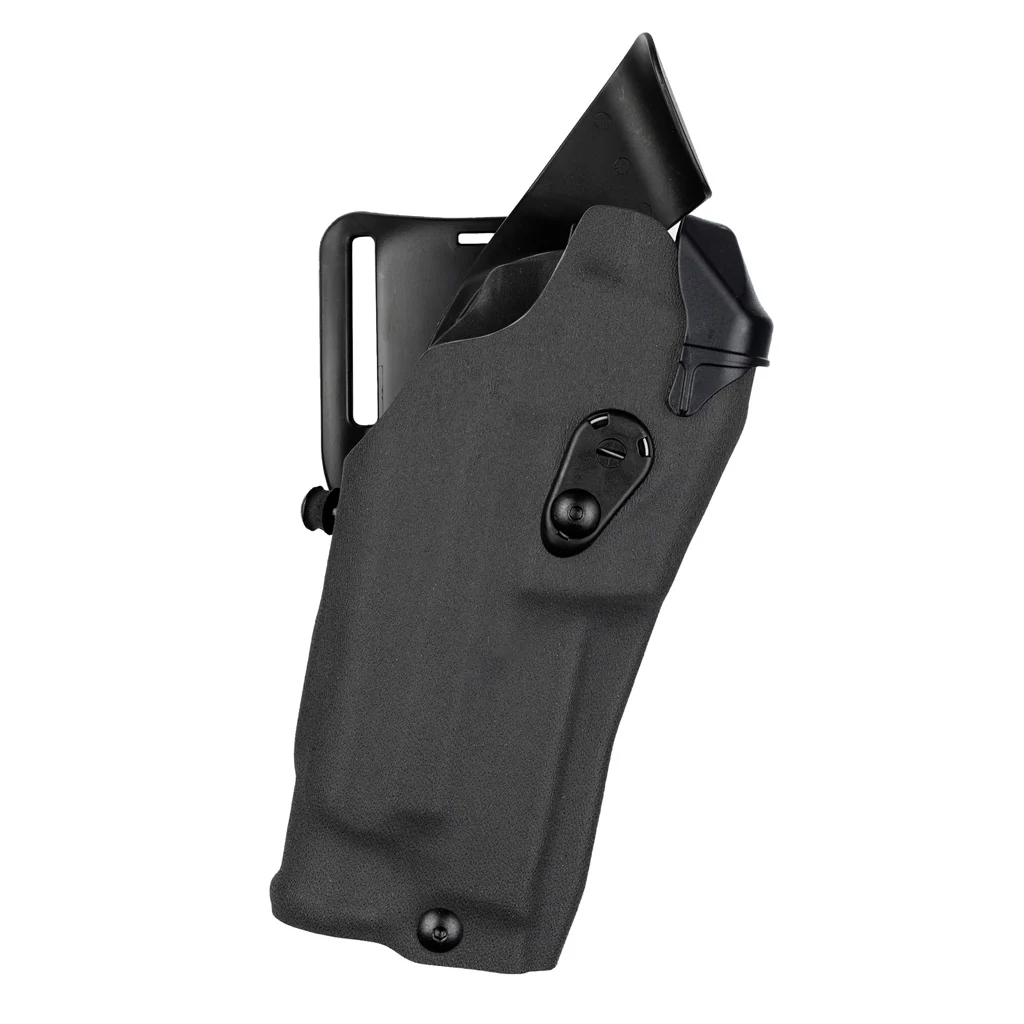
Safariland 6354DO ALS Optic Holster
DO I NEED A SLING?
Yes. A rifle sling is essential for carrying your gun between and through stages.
What do I carry my gear in?
A sturdy belt is a necessity for your holster. That’ll also hold your reload mags, your tourniquet, maybe some water, and a dump pouch. I use a chest rig for extra mags, with a pouch attached to the back for water and overflow ammo, however, a simple backpack or hydration pack will do. You need it to carry spare magazines, water, and anything else you want on course. Keep it simple — you’re hauling it the whole way, and want to stay as mobile as possible for possible challenges on the course.
ammunition carriage
Haley Strategic D3CR Micro (D3CRM)
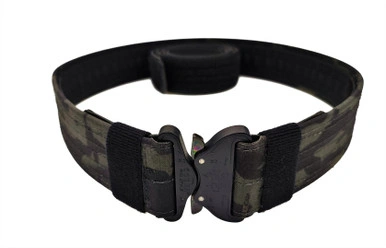
Esstac Enhanced Shooter's Belt
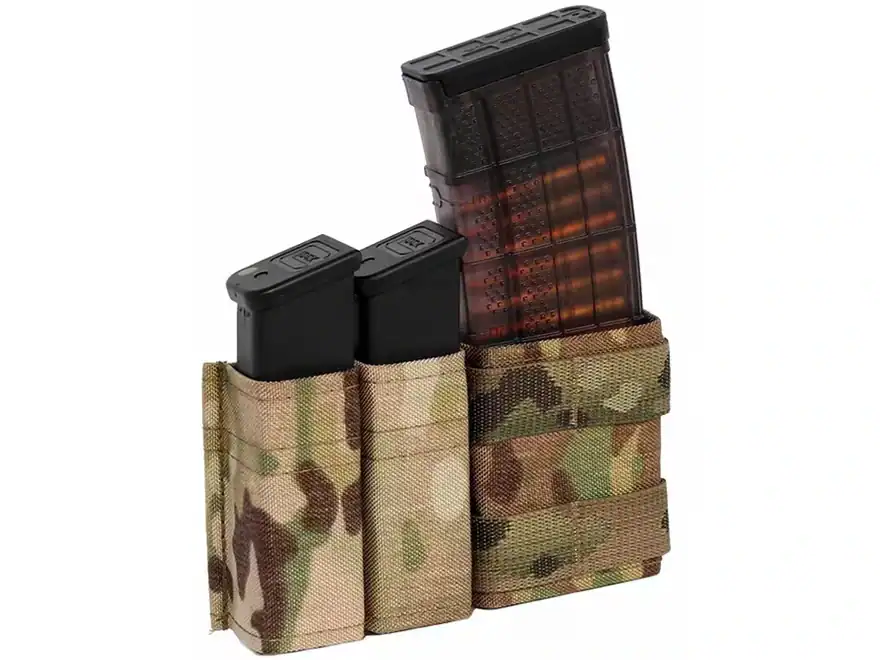
Esstac KYWI 2+1 Pouch
how much ammo should i bring?
Carry 200–300% of the estimated hit count posted for the event to account for Beyond quantity, establish a system for separating full magazines from partial ones — grabbing an empty mag under stress is an avoidable mistake that costs time.
what are the safety rules on the course?
Safety is enforced strictly. While moving between stages your rifle must be completely unloaded with no magazine inserted — safety on, finger off the trigger, muzzle downrange at all times. Pistols may be carried loaded (condition 1) as long as they remain securely holstered. On the firing line, you must follow Range Officer commands, keep your muzzle downrange, never break the 180-degree rule, and move with your safety engaged and finger off the trigger. Competitors are checked at stage entry and exit. Any safety violation results in immediate disqualification.
should i run a suppressor?
If you have one, definitely. If not, a brake or birdcage will do in the meantime. I’m running a brake right now, but haven’t shot an event yet. So, I don’t yet know how true or impactful it is that “ROs will hate me for my brake” because of the increased blast.
how should i hydrate?
Start hydrating days before the event, not the morning of. On course, a hydration bladder like a Camelbak is convenient, although you can use a belt/molle pouch for disposable bottles or a nalgene too. Just depends if you mind the difference in bulk. For ~5-7 mile courses, you don’t need to bring serious hydration- sips here and there to wet your whistle are all you’ll really need. I’m carrying a 1L bladder right now, but have carried more before and still drained it. We shall see if I can keep sip discipline under control.
hydration systems
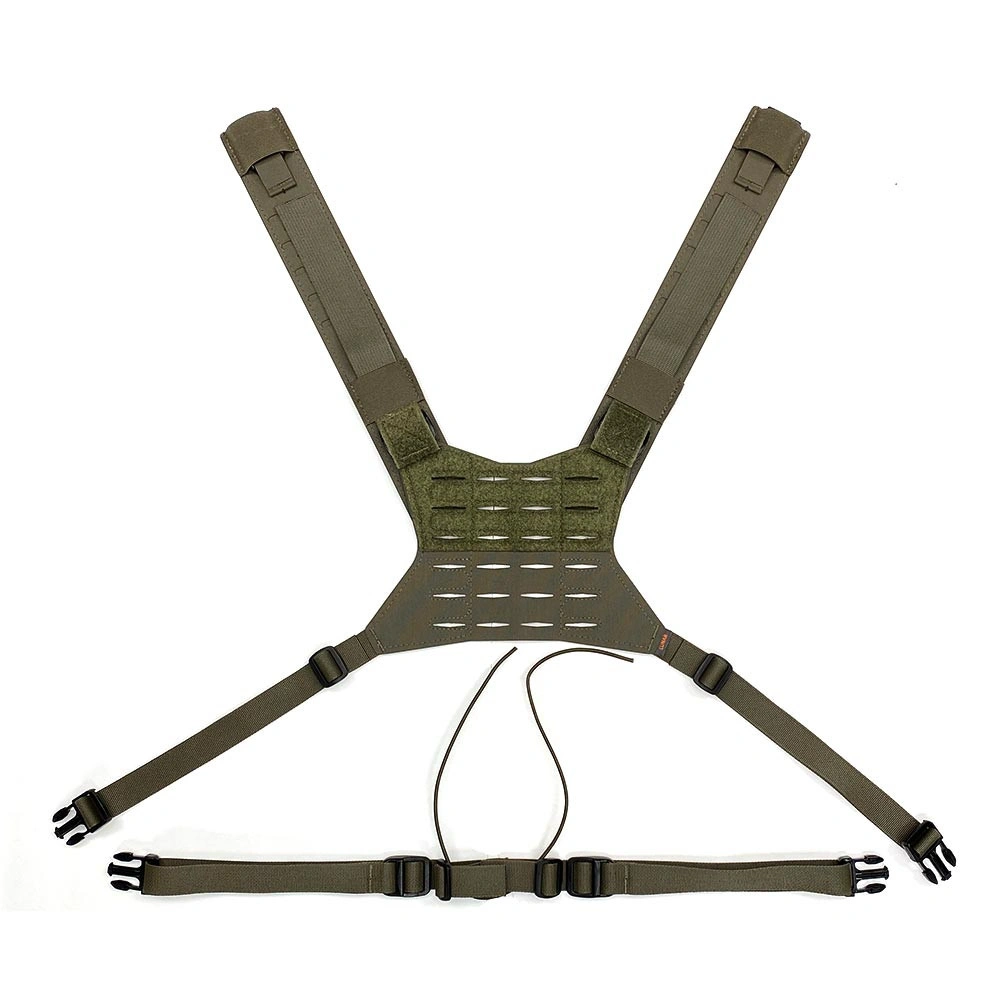
Lunar Concepts HX Hybrid Harness
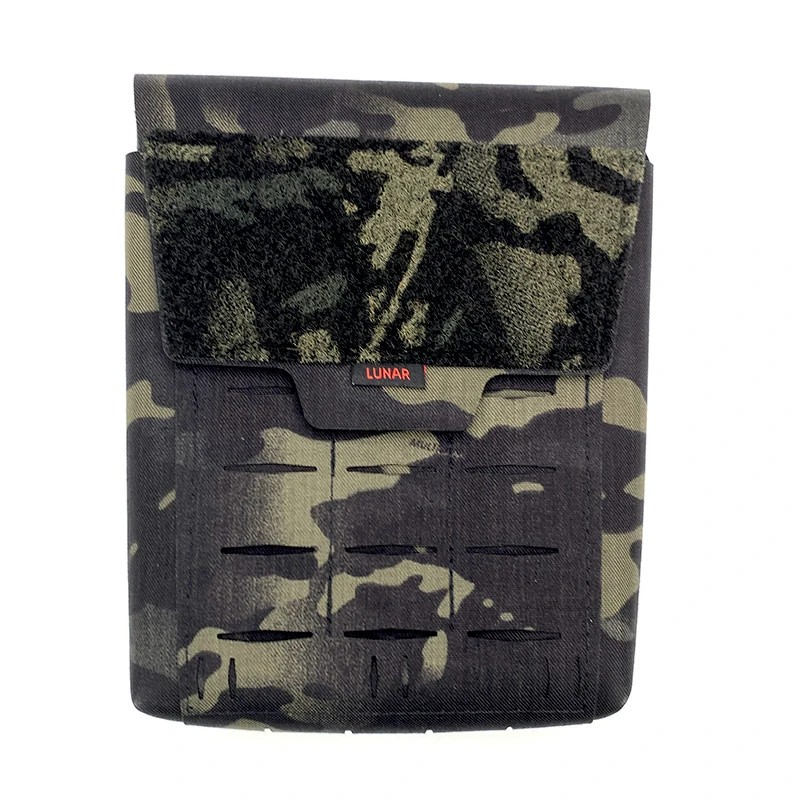
Lunar Concepts HOBOsak
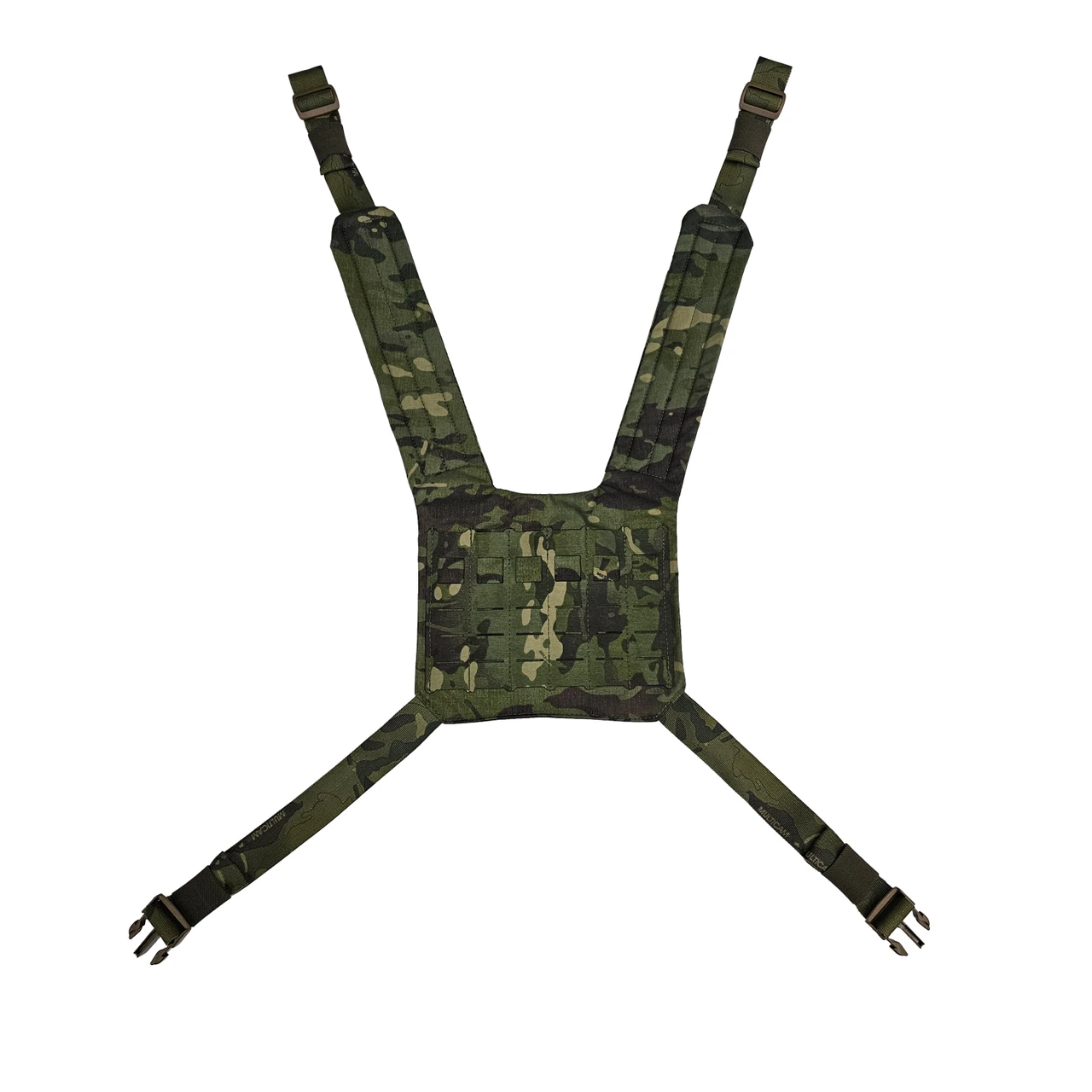
Esstac Padded Harness
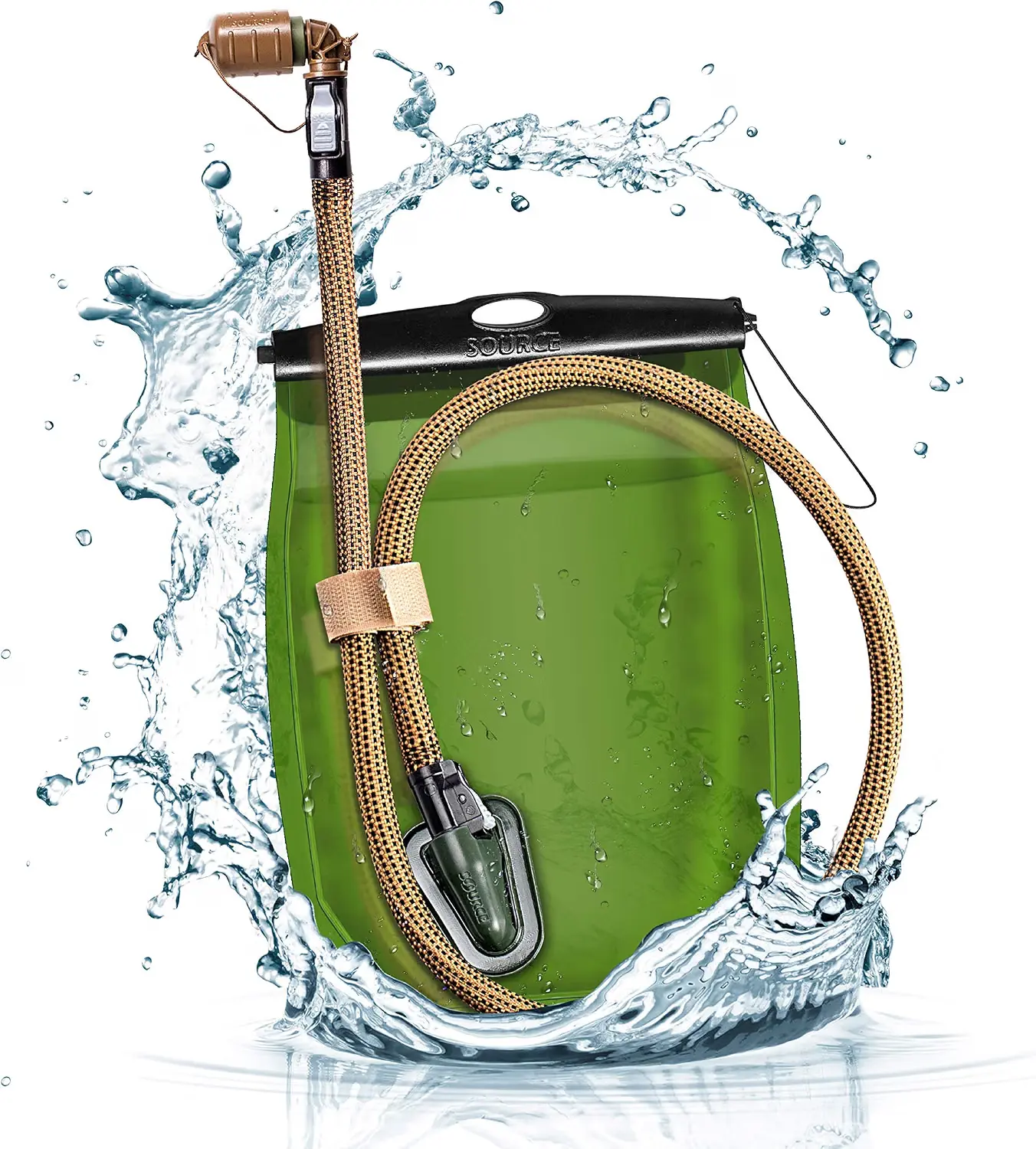
Source Tactical Kangaroo 1L Bladder
how should i train?
Focus on four areas: endurance (running or rucking with weight), high-intensity cardio, work capacity, and strength. The defining challenge of Run n Gun is shooting accurately while physically exhausted, so train for that specifically. Do dry-fire drills immediately after hard efforts — burpees, squats, a hard run — so you learn to manage your sights when your heart is pounding and your hands aren’t cooperating.
do i need expensive gear?
Not for your first race. Get a functional kit that will get you across the finish line, then refine from there. The format will teach you quickly what actually matters in your loadout — and that’s hard to know until you’ve run a course.
is this sport for me if i'm not elite?
Absolutely. The field at most events is wide — some competitors are operating at a very high level, but the majority are out there to improve and have a good time. Don’t let social media set the wrong expectations; what gets posted is selective. Come with a good attitude, ask questions, meet people, and worry about placing later.